
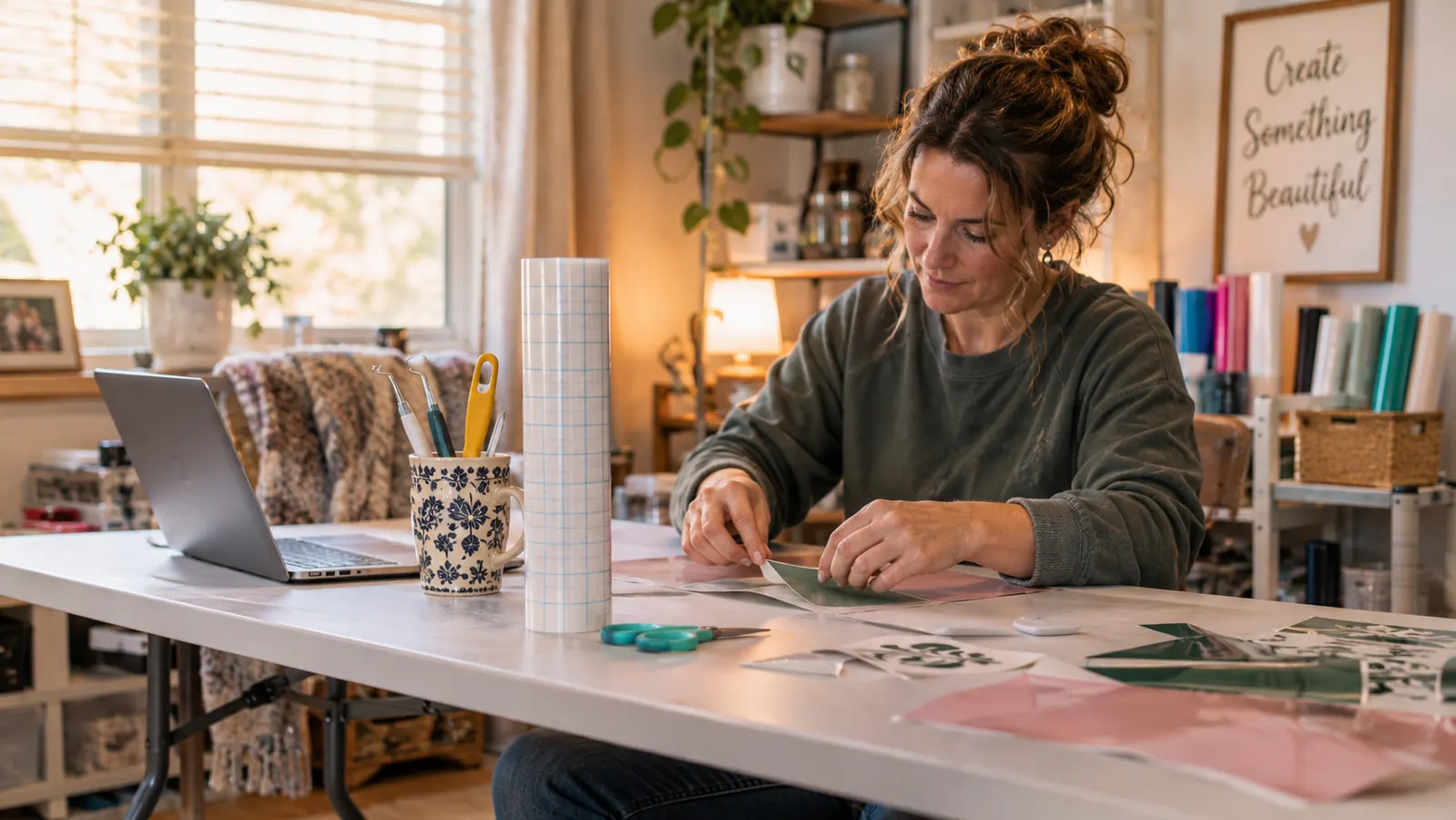
Nobody warns you that the hard part of a decal is not the cutting. The machine handles that. The hard part is the ten seconds when the whole design is stuck to a sheet of tape and hanging over a door, and you get one chance to set it down level. I cut my first vinyl in March, on a small Cricut Joy Xtra set up at one end of a folding table in my spare bedroom, and for six months I placed everything by eye. A set of house numbers for my neighbor went on that way and stayed. Then word came that our church wanted the words CHURCH OFFICE on the office door, twelve letters in one row, and by eye stopped sounding like a good plan.
That is the week I finally used the grid on the transfer tape. The roll on my shelf is YRYM HT transfer tape, 12 inches by 50 feet, medium tack, with half inch see through grid lines printed across it. I had owned it since March and ignored the grid that whole time. Once I lined the letters up against it, the row came out straight, and I have used it that way ever since. Here are ten plain reasons a gridded tape earns its place on a shelf, written for somebody who has just unboxed a cutter and is not sure what the fuss is about.
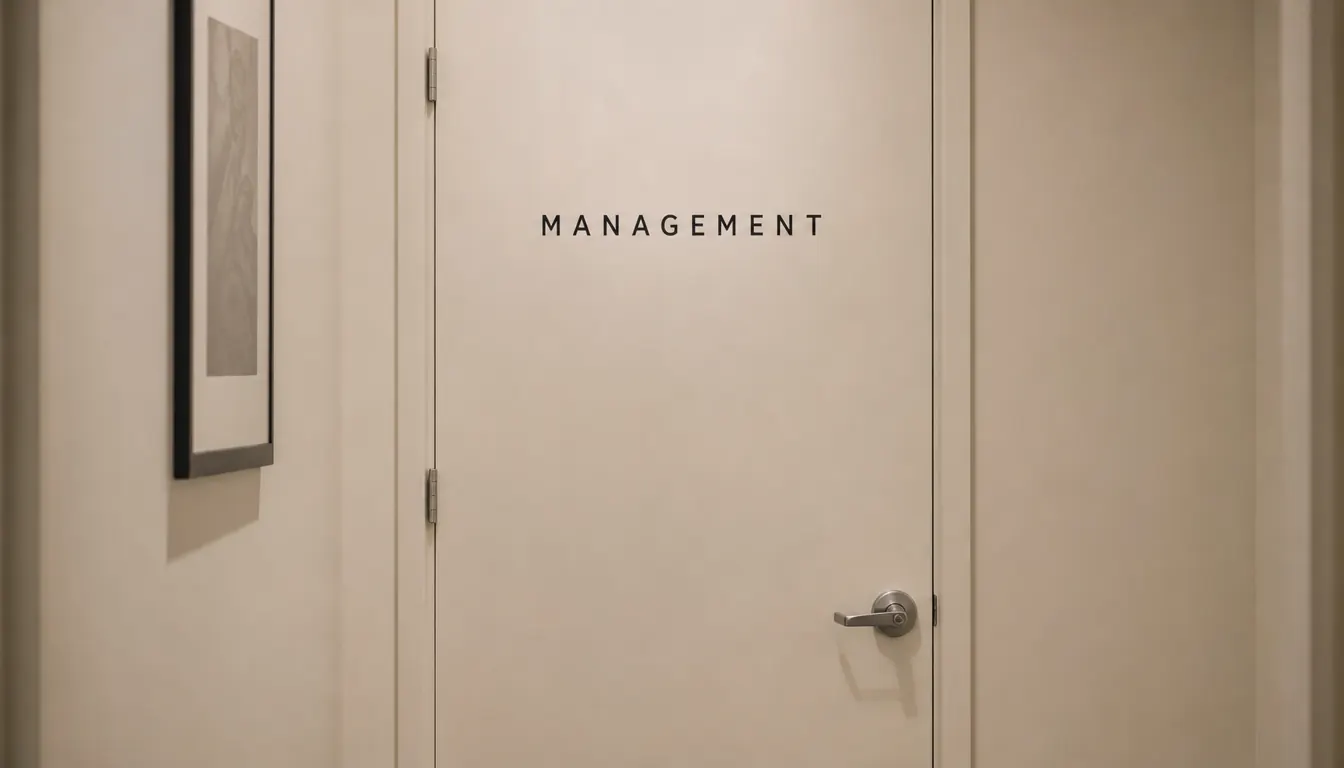
The grid is why the office door lettering went up straight
12 inches by 50 feet, medium tack, half inch see through grid lines. It lifts a whole row of letters in one piece and lets go without residue.
Amazon Check today's price on Amazon →The grid turns straight into something you can see
Level is hard to judge by eye on a door, because door frames are rarely as true as they look and letters are small. Half inch grid lines give you a line to set the tops of the letters against. In September I laid the tape over the twelve cut letters, lined a grid line up with their tops, and the row was settled before anything touched the door. That is the whole trick, and it costs nothing extra.
Half inch squares make measuring and cutting quick
The roll is 12 inches wide and 50 feet long. The grid is what turns that into a measurement: count squares, cut once, and the piece matches the job in front of you. I keep a pair of scissors in the mug with the weeding tools and trim the YRYM HT tape to the size of the design before I peel anything. Being able to cut to size without hunting for a ruler is the difference between starting a project and putting it off.
You can see the design through the tape while you place it
The tape is see through, grid lines and all, so at the moment of placing you are looking at the lettering, the top edge of the door and the grid line at the same time. Placement is the one step that cannot be undone. A tape that hides the design turns that step into guesswork, and guesswork on a door shows from across the room.
Medium tack lifts the whole design in one piece
Medium tack means sticky enough to pick up twelve letters off the backing in one lift, and not so sticky that you fight to get them back off the tape. Lifting the design in one piece is the entire reason transfer tape exists. If letters let go and stay behind on the backing, you are placing them one at a time by hand, and that is a different afternoon altogether.
It lets go of the vinyl without a gummy edge
The listing says no residue, and on the office door that held true. Once the row was rubbed down, the tape peeled back and left the letters behind with nothing to wipe off the door. No sticky halo around the edges, no smudge to explain to anyone afterwards. On anything with a sheen, a clean release is most of what makes the job look finished.
Twelve letters in one row, checked against a single grid line, and the sign went on straight the first time.
The only tool you need is a card from your wallet
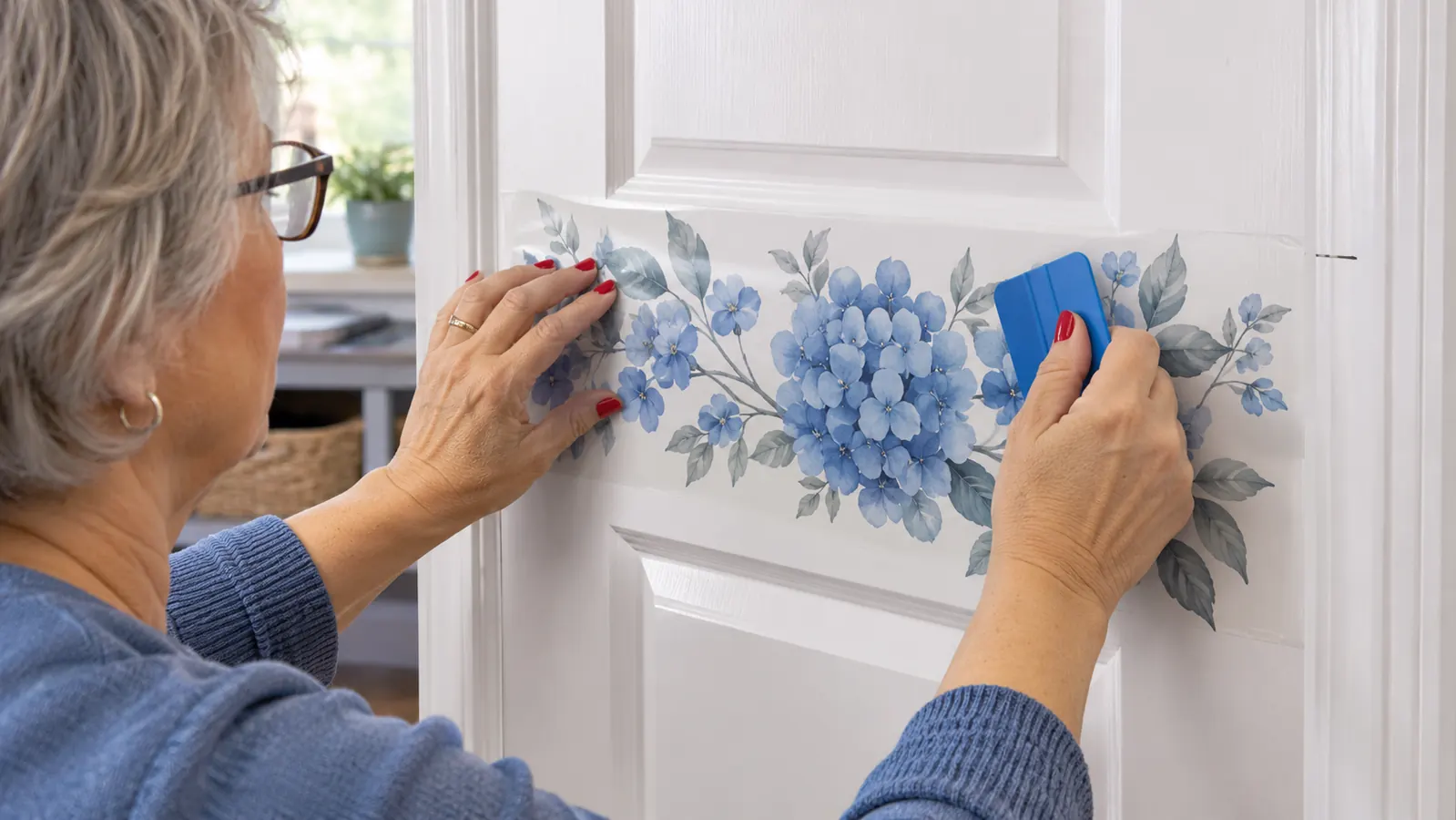
Firm rubbing is what makes medium tack let go of the design and take hold of the surface. I use an old gift card, held flat, working from the middle out to the edges. No squeegee to buy. This is also the part that trips people up: a light pass is not enough, and the corners are where a light pass shows.
Fifty feet covers months of small projects
I bought this YRYM HT roll in March with the cutter, a roll of vinyl and a weeding set, all in one order. It is November now and the roll is about half gone. It lives upright in a plastic bin on the middle shelf of the wire rack. For a few projects a month, which is what I do, 50 feet is a long runway and not something you think about again.
It solves the problem a small machine has, one row at a time
My cutter is small, so a big banner was never on the table. Rows of lettering are the realistic job, and rows are exactly what transfer tape is good at. The CHURCH OFFICE lettering was twelve letters in one row under the tape, lifted as one piece and set down as one piece. That job is the reason I stopped treating the roll as an optional extra.
The listing names metal and glass, inside or out
The listing gives metal as the surface and names glass among the materials it works with, with indoor and outdoor use and water resistance. My own use has been a painted office door. If you are putting a name on a tumbler or numbers on a mailbox, that range covers it. I have not tested it through a full year outdoors, so I will not pretend otherwise.
You do the lining up sitting at the table
The habit this tape taught me is that the laying out happens at the table, not at the door. Lay the tape over the letters, line a grid line up with their tops, rub the tape down, and only then walk to the door. Standing at a door with a loose design and a short temper is how a straight sign becomes a crooked one. Sitting down first removes the drama.
What I'd Skip
Two things I would skip if I were starting over. The first is a second roll of tape. Bev handed me a strip of the brand she uses and it worked fine, but I already had 50 feet of YRYM HT on the shelf, and one roll has handled everything I have asked of it. The second is any kind of squeegee gadget, since an old gift card does the same job and is already in your wallet. There are two honest limits worth knowing. Medium tack needs firm rubbing and not a quick pass, so budget a minute for it. And the roll wants to unroll itself on the shelf, which is why mine stands upright in a plastic bin instead of lying loose on the wire rack.
The roll I would buy again, grid and all
12 inches by 50 feet, medium tack, half inch see through grid lines. It lifts a whole row of letters in one piece and lets go without residue.
Amazon Check today's price on Amazon →